
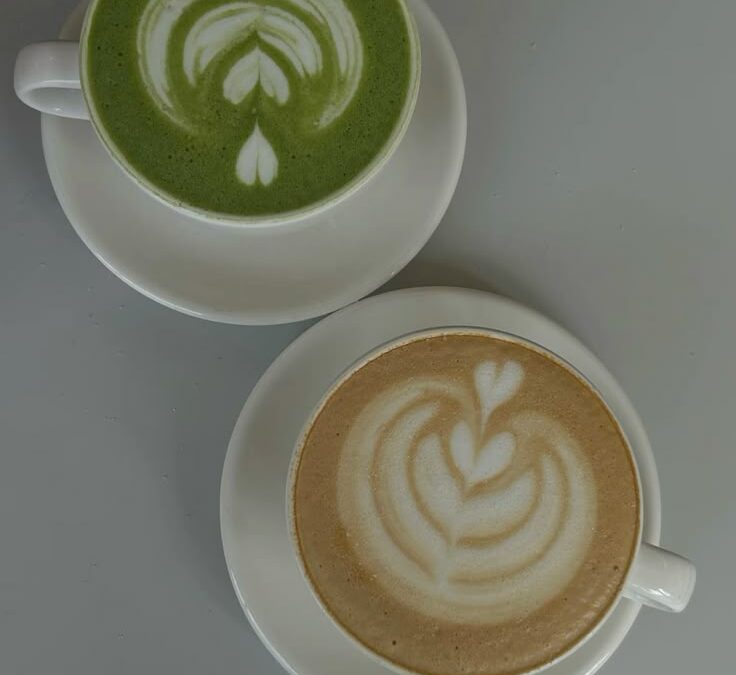
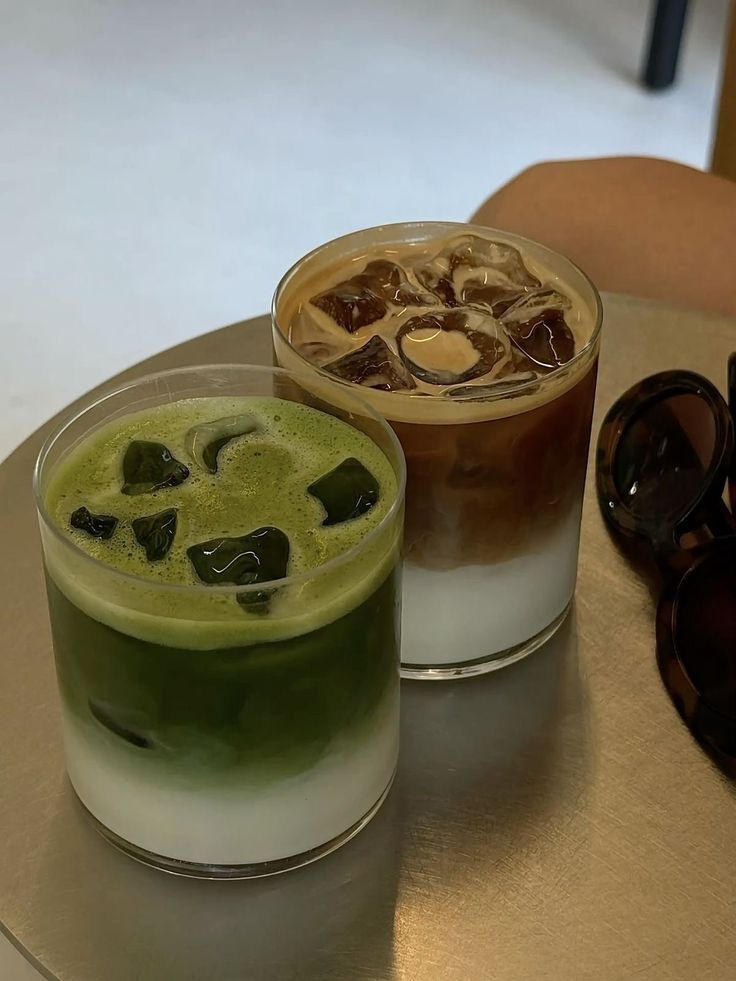
When comparing matcha vs coffee, many people wonder which one is better for focus and energy. If you are someone who wakes up early in the morning and feels like you have no energy until you take a sip of one of the most common beverages in the world, it might be time to consider an alternative. Many people rely on coffee to start their day, but not everyone reacts to it in the same way. Do you experience energy crashes, anxiety, or an elevated heart rate after drinking it? If so, you’re not alone. For some, coffee delivers quick energy, but it can also come with uncomfortable side effects. That is where matcha starts to stand out as a different kind of solution.
Matcha vs Coffee: Key Differences in Energy
Coffee is known for its high caffeine content. A typical cup contains around 80 to 100 mg of caffeine, which gives you a quick boost in alertness. The effect is almost immediate, but it can also feel intense, especially if you are sensitive to caffeine. What happens in your body is that caffeine blocks adenosine, a neurotransmitter responsible for making you feel relaxed and sleepy. While this helps you stay awake, it can also lead to overstimulation, which is why some people feel anxious or restless after drinking coffee.
Matcha, on the other hand, contains less caffeine per serving, usually around 40 to 70 mg. However, what makes it different is the presence of L-theanine, an amino acid that changes how your body processes caffeine. Instead of creating a sudden spike in energy, matcha provides a more gradual and sustained release. This results in a smoother feeling of alertness, without the sharp peaks and crashes that are often associated with coffee. In addition, matcha is rich in antioxidants, particularly catechins, which support overall health and are present in higher concentrations because you consume the whole leaf.
Matcha vs Coffee for Focus
The difference between the two drinks becomes even clearer when you look at how they affect focus. Coffee is effective if you need to wake up quickly or push through a short task. It stimulates the nervous system and can temporarily increase productivity. However, that stimulation can sometimes backfire, leading to jitteriness, a racing heart, or difficulty concentrating over time. Matcha offers a different experience. The combination of caffeine and L-theanine promotes what many people describe as calm focus. Instead of feeling wired, you feel more balanced and mentally present, which can be especially useful for studying or working for longer periods.
Another important factor to consider is the energy crash. One of the biggest downsides of coffee is what happens a few hours after drinking it. Once the effects of caffeine begin to wear off, energy levels can drop quickly, leaving you feeling even more tired than before. This often leads to the need for another cup, creating a cycle that can be hard to break. Matcha tends to avoid this pattern. Because its energy is released more slowly, the effect lasts longer and feels more stable, reducing the likelihood of a sudden drop in energy.
Which Is Better: Matcha vs Coffee?
So which one is better? The answer depends on your personal needs and lifestyle. Coffee may be the right choice if you need immediate energy and are used to higher levels of caffeine. However, if you are looking for sustained focus, fewer side effects, and a more balanced form of energy, matcha is a strong alternative. It also introduces a different kind of experience. Preparing and drinking matcha can become a small daily ritual, encouraging you to slow down and be more intentional with your routine.
For many people, especially students and young professionals, matcha offers a more controlled and enjoyable way to stay focused throughout the day when comparing matcha vs coffee. It does not necessarily replace coffee for everyone, but it changes how energy feels. Instead of something intense and short-lived, it becomes something steady and manageable. If your goal is to improve your focus without dealing with anxiety or crashes, matcha may be worth trying.