Learning how to prepare matcha at home may seem complicated at first, but once you understand the basics, it becomes a simple and enjoyable routine. Many people are drawn to matcha not only for its benefits but also for the process of making it. Learning how to prepare matcha properly can improve both the taste and the overall experience. Unlike regular tea, matcha is not steeped in water. Instead, the powder is mixed directly into the liquid, which means you are consuming the entire tea leaf. This is one of the reasons why matcha has a richer taste and higher concentration of nutrients.
Types of Matcha You Should Know
Before learning how to prepare matcha, it is important to understand the different types available. The quality of matcha will directly affect both the taste and how it should be used.
Ceremonial grade matcha is the highest quality. It has a smoother, slightly sweet taste and is best prepared with just water. This type is ideal for traditional preparation and daily drinking.
Premium grade matcha is slightly more affordable while still maintaining good quality. It is suitable for everyday use and works well for both traditional matcha and light lattes.
Culinary grade matcha has a stronger and more bitter flavor. It is commonly used for cooking, baking, or making smoothies. While it is still good quality, it is not typically used for drinking on its own.
Understanding these differences is essential when learning how to prepare matcha, as each type is used slightly differently.
How to Prepare Matcha Step by Step
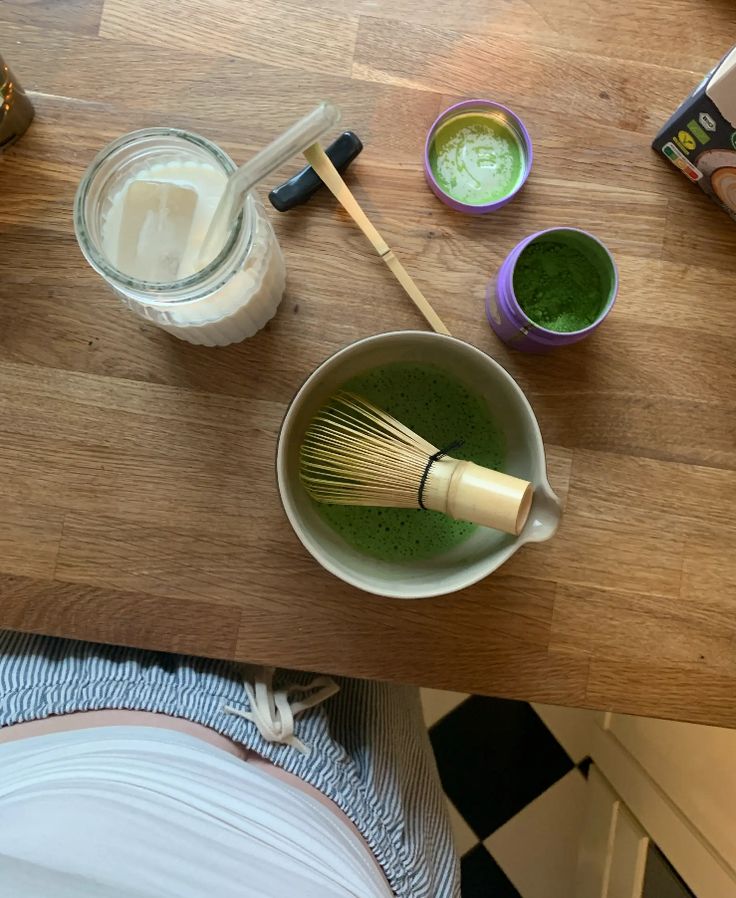
The traditional method of preparing matcha is simple and does not require many tools. Once you practice it a few times, it becomes second nature. Start by adding about 1 to 2 grams of matcha powder into a bowl. This is roughly half to one teaspoon. If possible, sift the powder first to remove clumps and create a smoother texture.
Next, add a small amount of hot water. The water should not be boiling, ideally around 70 to 80 degrees Celsius. Water that is too hot can make the matcha taste bitter.
Using a bamboo whisk, also known as a chasen, whisk the mixture quickly in a zig-zag motion. The goal is to create a light foam on top. This step is key when learning how to prepare matcha correctly.
Once the matcha is smooth and slightly frothy, you can add more water to adjust the strength to your preference.
Preparing Matcha Without Traditional Tools
If you do not have a bamboo whisk, there are still ways to prepare matcha at home. A small kitchen whisk, a milk frother, or even shaking the mixture in a jar can work as alternatives. While the texture may not be exactly the same, these methods still allow you to enjoy matcha without needing specialized tools. The most important part is ensuring the powder is fully mixed.
How to Prepare Matcha for Different Drinks
Learning how to prepare matcha also means adapting it to your preferences. While traditional matcha is made with water, there are many variations.
For a matcha latte, prepare the matcha as usual and then add warm milk or a plant-based alternative. This creates a creamier and slightly sweeter drink.
For iced matcha, mix the powder with a small amount of warm water first, then add cold water and ice. This helps prevent clumping.
For smoothies, matcha can be blended with fruits, milk, and other ingredients. In this case, culinary grade matcha is usually the best option.
Tips for Better Matcha
When learning how to prepare matcha, a few small details can make a big difference. Always use high-quality matcha if you plan to drink it on its own. Store it in a cool, dark place to preserve freshness, and avoid using boiling water to maintain its flavor. Another important factor is consistency. Preparing matcha regularly helps you refine your technique and develop a routine that fits your lifestyle.
Final Thoughts
Learning how to prepare matcha is not just about making a drink, but about creating a small daily ritual. Whether you prefer it traditional, as a latte, or in a smoothie, matcha is a versatile and accessible option. With the right technique and quality ingredients, anyone can enjoy the full experience of matcha at home. Over time, this simple habit can become a meaningful part of your day, supporting both focus and well-being.